The cultural evolution of European tabletop gaming highlights a fascinating reliance on structural division and active participation. Unlike many global card traditions that focus strictly on hidden individual hands, continental variations frequently distribute specific operational duties directly to the players. Exploring these historic mechanics explains how early gaming salons transformed simple numbers games into deep social rituals filled with personal responsibility.
The Shared Accountability of Continental Gaming Structures
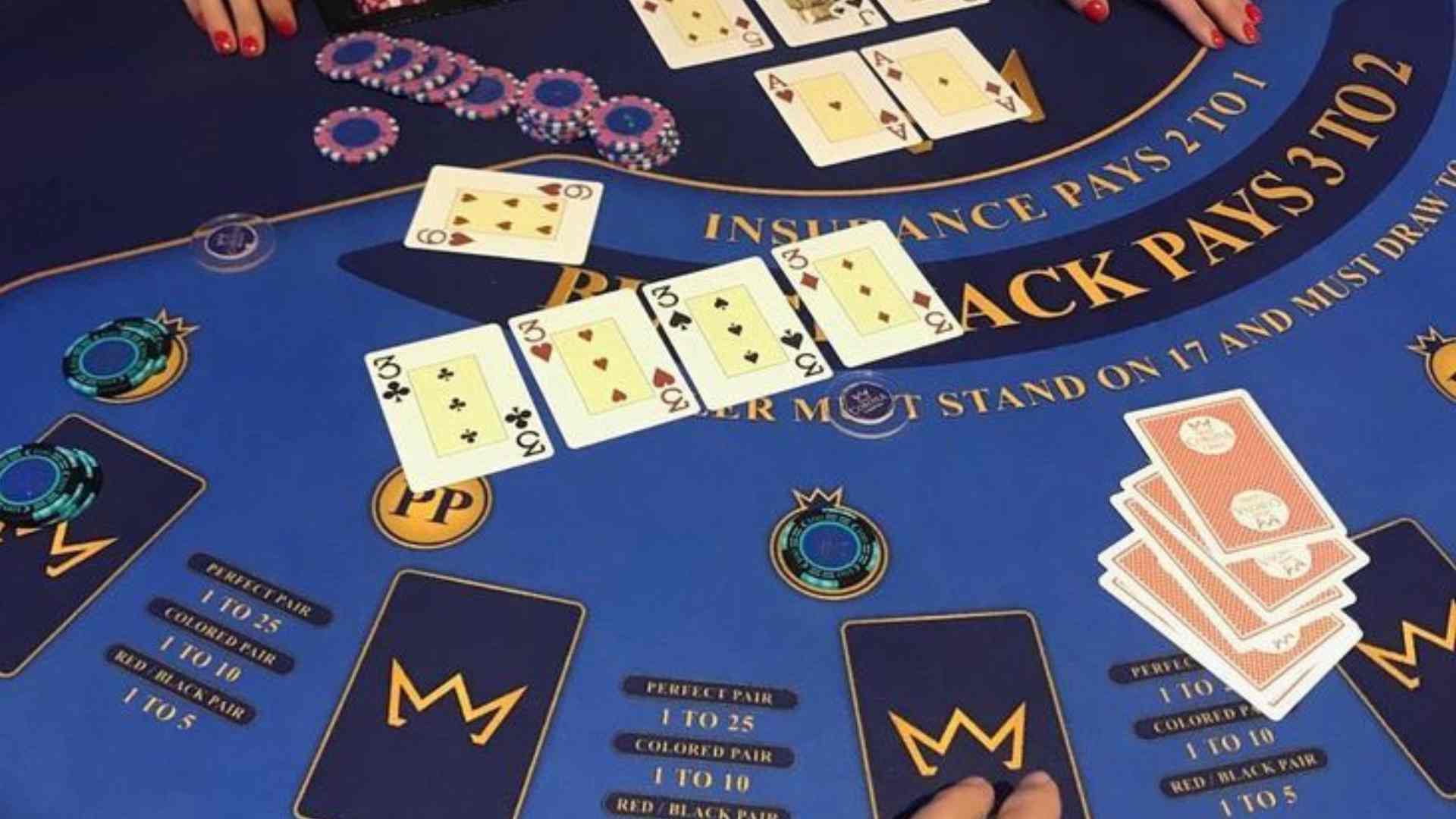
In classical European variants, the administration of the card table was rarely left entirely to a corporate house entity. Instead, fundamental operational duties like managing the stakes, tracking the bankroll, and dealing the cards rotated dynamically among the participants. This structural approach meant that sitting down at a table required a commitment to active risk management and tactical oversight.
By distributing these critical responsibilities, early gaming establishments cultivated a uniquely communal environment where every participant became an integral part of the system. This shared burden altered the psychological pacing of each round, making the physical seating placement a core element of a player's long-term strategy. Modern card lovers looking for structured platforms that mirror these traditional rule variations can check a reliable wd boss link alternatif to explore contemporary strategic setups.
How Spatial Positioning Dictates Tactical Decisions
The exact geometry of historic European card layouts played a major role in how information was gathered and analyzed throughout a live match. Seating arrangements were designed to create distinct viewing angles, directly affecting when a participant was required to declare their choices. Players positioned closer to the rotating dealer had to make critical assessments with limited information, while those further down the line could observe shifting table tendencies.
This reliance on environmental awareness separated experienced strategists from casual players who only focused on their own dealt values. Understanding these spatial dynamics allows modern historians to appreciate why continental gaming rules placed such a high premium on table roles rather than relying purely on automated card distribution systems.
The Social Rituals and Etiquette of Shifting Table Duties
Beyond the underlying mathematical structure, the assignment of specific roles served a vital social purpose within elite European gambling circles. Assuming a role like the banker or the primary dealer carried significant prestige, reflecting a participant's financial standing and reputational standing within the room. This custom turned table mechanics into an intricate social dance governed by rigorous, unwritten codes of conduct.
As these historic practices adapted to the modern era, the emphasis on direct player involvement laid the foundation for the interactive table games we recognize today. By exploring how these ancient rules balanced personal choice with communal accountability, contemporary enthusiasts gain a deeper respect for the architectural depth of traditional card culture.