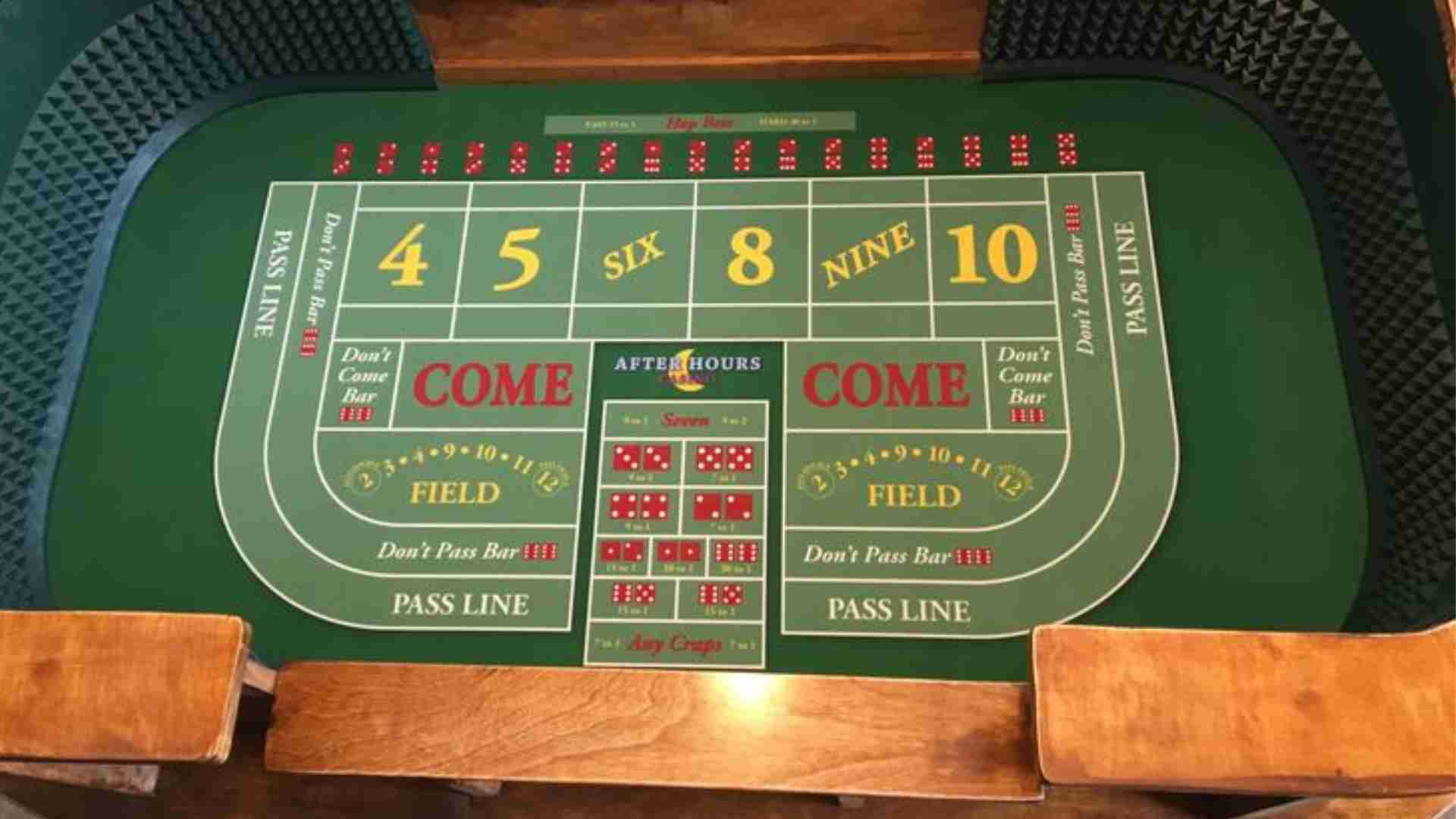
Solo tabletop gaming has experienced a massive shift as designers create systems tailored specifically for single-player experiences. Crafting an intuitive solo dice game requires balancing unpredictable outcomes with meaningful decision-making. By carefully structuring mechanics, creators can transform simple rolls into deeply engaging tactical puzzles.
Establishing Clear Mechanical Frameworks
The foundation of any successful solo dice game relies on transparent and accessible core rules. Players must quickly understand how their actions influence the game state without consulting a rulebook constantly. Clear visual cues and streamlined scoring systems help maintain momentum throughout the session.
When mechanics are intuitive, the focus shifts from parsing complex instructions to exploring strategy. Designing straightforward input systems allows players to feel fully in control of their choices. This clarity creates an inviting environment for both casual gamers and veteran hobbyists alike.
Balancing Randomness with Agency
Pure luck can quickly lead to frustration if a player feels powerless against bad rolls. Effective solo design introduces mitigation mechanics, such as re-rolls, modifier tokens, or flexible dice allocation. These tools empower players to turn unfavorable outcomes into strategic opportunities.
Analyzing probability and managing risk forms the heart of compelling gameplay. Similar risk-evaluation strategies are frequently discussed in gaming analysis platforms like m88 casino, where understanding odds is crucial. Providing meaningful choices ensures that every roll feels impactful rather than arbitrary.
Creating Dynamic AI and Automa Systems
Solo games require an opposing force to simulate competition or environmental resistance. Designers often implement simple card-driven artificial intelligence or deterministic dice tables to drive enemy responses. The goal is to create unpredictable challenges without overwhelming the player with administrative bookkeeping.
An efficient automa system reacts dynamically to the player's choices while remaining easy to operate. This balance keeps the game pacing swift and maintains high narrative tension. A well-designed adversary forces players to continuously adapt their tactical approach.
Enhancing Replayability Through Escalating Challenges
Long-term engagement depends on modular setup options and variable difficulty levels. Incorporating achievements, scenario branching, or customizable dice pools allows players to experience fresh obstacles each time they play. Progressive challenges reward skill growth and encourage repeated playthroughs.
By building a flexible architectural framework, designers ensure their solo systems remain rewarding over time. Elegant game design ultimately transforms simple dice rolls into memorable single-player adventures.