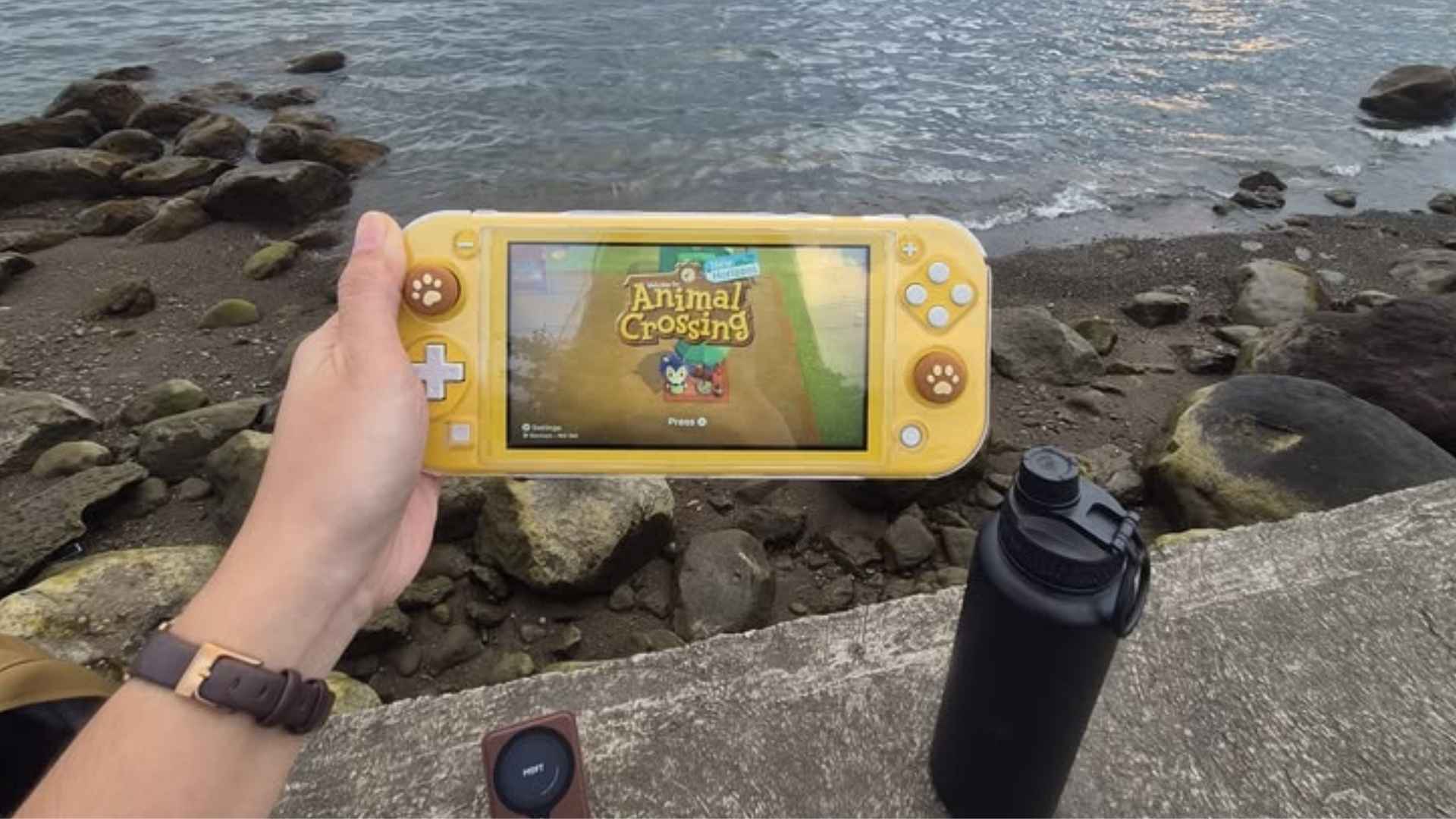
Entering a competitive tournament is an exciting milestone that tests your preparation, strategic adaptability, and mental stamina under intense pressure. While raw talent can secure occasional victories, achieving consistent success requires a highly structured and methodical approach to your training. By breaking down your performance into clear stages, you can systematically identify weaknesses and unlock your true competitive potential.
Establish a Precise Pre-Performance Routine
Elite competitors across both physical sports and intellectual games rely on structured routines to prepare their minds for intense play. Designing a repeatable pre-game ritual helps regulate your nervous system, reducing competitive anxiety and fostering deep focus. This sequence of actions signals to your brain that it is time to transition from casual preparation to high-level execution.
Your personal warm-up plan should blend physical readiness with targeted cognitive exercises to ensure complete alignment before the first match. Practicing visualization techniques or brief mindfulness exercises can ground your thoughts in the present moment, keeping external distractions at bay. Utilizing established gaming platforms like the M88 link login portal can also provide a reliable environment to test your reflexes and settle your pre-game nerves.
Analyze Opponent Behaviors and Patterns
Once the tournament begins, success often hinges on how quickly you can read the active playing styles surrounding your table or bracket. Rather than focusing solely on your own moves, dedicate considerable mental energy to observing the strategic habits of your rivals. Identifying whether an opponent plays overly aggressive or highly cautious allows you to adapt your tactics in real time.
By tracking recurring patterns, you can anticipate their decisions and set up proactive traps rather than reacting defensively. This deep level of tactical awareness minimizes costly errors and shifts the momentum of the match in your favor. Consistent observation turns chaotic situations into predictable outcomes, giving you a definitive edge over less attentive players.
Execute Structured Post-Tournament Reviews
True long-term improvement does not end when the final scoreboard is updated; it actually begins during your post-game analysis. Developing a habit of reviewing your match history allows you to spot critical gaps in your tactical decision-making process. By evaluating both your victories and your defeats objectively, you can separate temporary luck from genuine skill progression.
Take detailed notes on the specific moments where pressure clouded your judgment or where your strategic planning fell short. Using this valuable data to refine your training focus ensures that your future preparation is always aligned with your actual needs. Over time, this iterative cycle of practice, performance, and honest evaluation is what elevates dedicated players into consistent tournament champions.