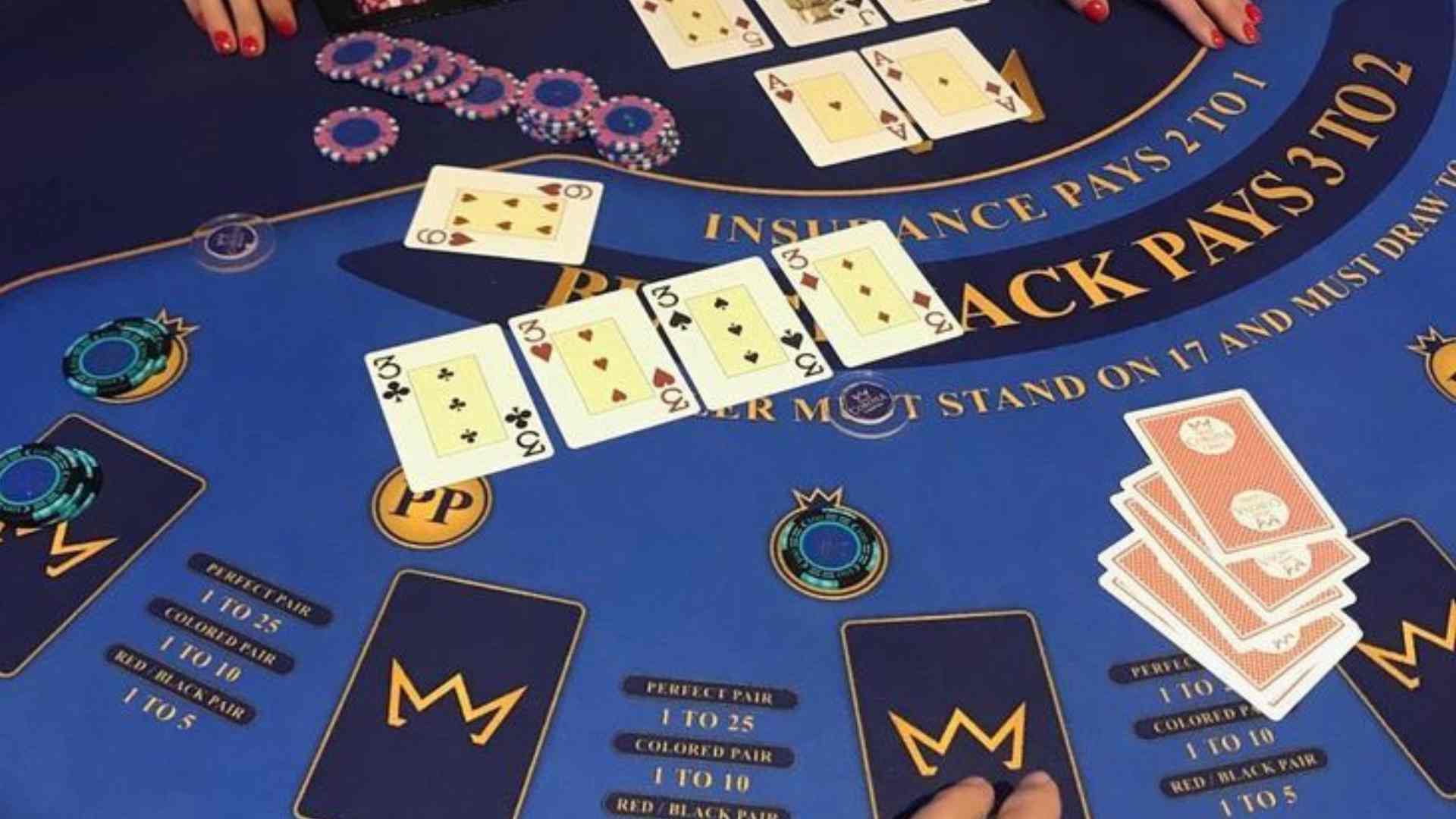
The modern landscape of tabletop entertainment has evolved dramatically, shifting its focus toward sophisticated systems that challenge intellectual boundaries. Unlike older pastimes that relied heavily on the roll of a dice or pure luck, contemporary designs actively celebrate a player's ability to weigh complex options. Board games that reward balanced decision making provide an incredible platform for developing multi-layered strategies and testing cognitive agility around the gaming table.
The Core Mechanics of Strategic Equilibrium
At the heart of any compelling strategy game lies the careful management of scarce resources and shifting priorities. Players must frequently decide whether to invest in long-term infrastructure or pursue immediate point opportunities that offer instant gratification. This constant tension ensures that the most adaptable individual at the table usually finds a sustainable path to victory.
Furthermore, over-extending in a single area often leaves a participant vulnerable to unexpected maneuvers from opponents. Striking a healthy equilibrium between defensive positioning and aggressive expansion is vital for maintaining a competitive edge throughout the session. Designers carefully build these mechanical checks and balances to prevent a single dominant strategy from ruining the overall experience.
Evaluating Risk and Reward Under Pressure
Every choice made during a modern board game carries an inherent opportunity cost that directly impacts future turns. Navigating these fluid conditions requires a flexible mindset that can process calculated risks while avoiding emotional or impulsive reactions. Cultivating this measured analytical approach helps gamers appreciate the deep mathematical layers woven into their favorite titles.
For individuals interested in exploring different dynamic platforms that require sharp analytical skills, checking out specific digital destinations like the m88 link 2 can provide an engaging change of pace. However, the tactile nature of physical board gaming remains uniquely effective at training minds to balance immediate consequences against overarching strategic goals. Mastering this mental discipline transforms an ordinary hobby into an invaluable exercise in critical thinking.
Enhancing Real World Problem Solving Skills
Engaging with complex board games serves as an excellent structured mental gym that directly translates to real-world scenarios. The ability to look several moves ahead, anticipate competitor reactions, and manage restricted budgets mirrors everyday professional and personal challenges. Consequently, regular gaming sessions offer much more than simple social entertainment by sharpening overall judgment.
Many educators and cognitive specialists recognize the profound educational value hidden within modern tabletop experiences. By encouraging players to analyze diverse variables simultaneously, these activities foster a more holistic approach to problem-solving. This interactive framework teaches participants that the most sustainable outcomes are achieved through steady, calculated moderation rather than erratic choices.
Building a Curation Focused on Tactical Depth
Selecting the right additions for a home library involves looking for titles that offer high replay value through deep choice architectures. Games featuring variable setups, asymmetrical player abilities, and hidden information ensure that no two sessions feel identical. Investing in these well-balanced experiences guarantees countless hours of engaging intellectual entertainment for friends and family.
Ultimately, a thoughtful curation of games that emphasize balanced choices brings out the best in any social gathering. They eliminate the frustration of purely random outcomes while encouraging healthy, lighthearted competition among participants. Embracing these brilliant designs allows enthusiasts to appreciate the true artistic evolution of modern tabletop design.